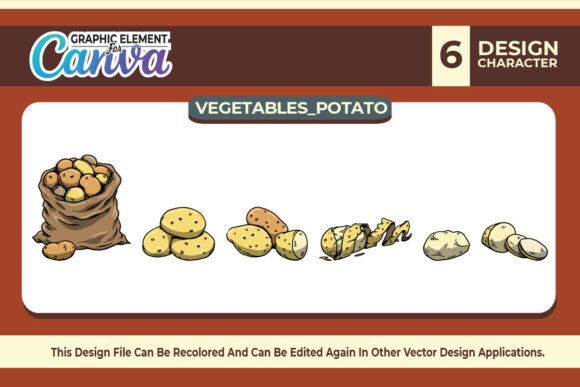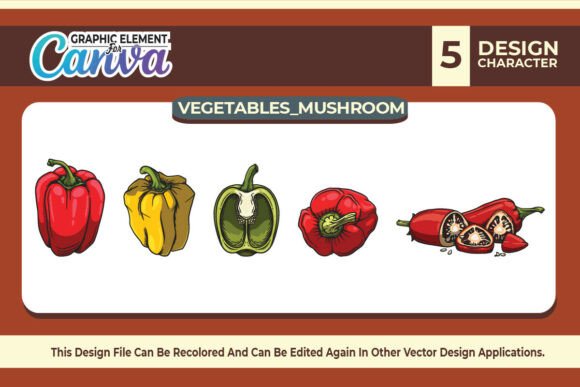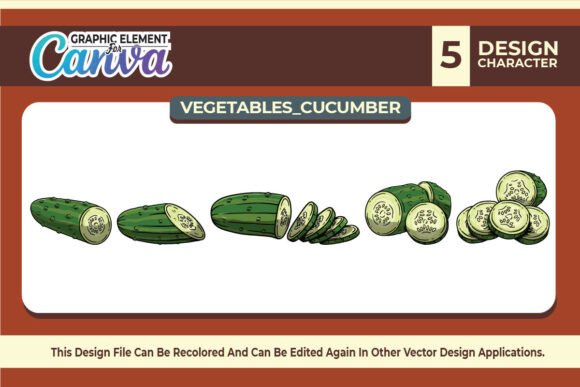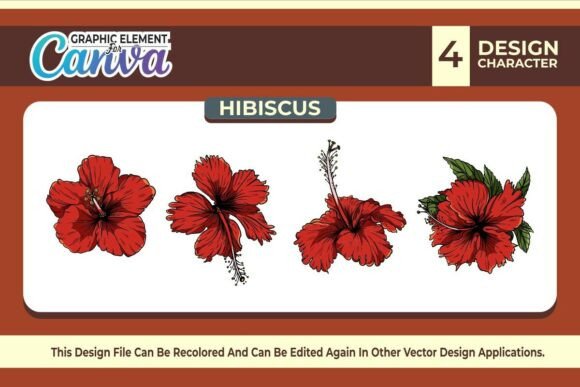
Spinach Vegetables Vector Set
A Fresh, Friendly Farm Vibe—But Is It Embroidery-Ready?
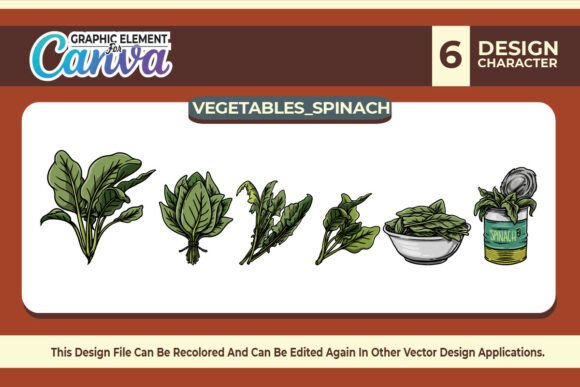
First impression? The Spinach Vegetables Vector Set feels like a sunlit farmers’ market stall—whimsical but grounded, cheerful without being cutesy. Six distinct spinach characters, each with gentle curves, layered leaves, and subtle texture hints in the vector lines. They’re not hyper-realistic botanical studies, nor are they cartoonish blobs. Instead, they strike that sweet spot many crafters love: approachable, scalable, and full of quiet personality. As an embroidery designer who’s stitched everything from heirloom baby bibs to boutique aprons, I immediately pictured this set on a linen tea towel or a soft organic cotton tote—something tactile, thoughtful, and quietly proud of its handmade origin.
How It Actually Stitches—Not Just How It Looks on Screen
I tested one spinach character (the mid-size, slightly tilted “curly leaf” version) on three real-world substrates: medium-weight cotton twill (for an embroidered apron), lightweight brushed poly-cotton (for a baby onesie), and a structured canvas tote. No surprises—but plenty of useful insight.
- On apparel: Sweatshirt embroidery worked well when paired with medium tear-away stabilizer and reduced fill stitch density. The leaf outlines held crispness; inner details translated cleanly as satin-stitched veins—not too dense, not too sparse. On a t-shirt? Use cut-away backing and reduce stitch count manually—some inner loops risk puckering on stretchy fabric.
- For patches and appliqué: This set shines. Clean vector edges mean sharp, consistent cut lines for iron-on or sewn-on patches. I turned one spinach into a 3" embroidered patch for a denim cap—no fraying, no distortion. The shape’s natural asymmetry actually helped it feel hand-placed, not machine-perfect.
- Small items & delicate surfaces: On baby clothes or pillow covers under 4", I recommend simplifying one or two inner leaf layers before digitizing. The original vectors include fine interior linework that, if stitched at full resolution, can blur or overcrowd tiny hoops. A quick pass in your embroidery software to merge or soften those lines pays off in clarity.
Where It Fits—and Where It Needs Extra Care
This isn’t a one-size-fits-all embroidery file. Its charm lies in intentionality—not versatility at all costs.
The Spinach Vegetables Vector Set belongs on products where freshness, simplicity, and gentle storytelling matter: kitchen towels for a farm-to-table café, personalized lunch bags for school, nursery wall art stitched onto muslin banners, holiday gift tags for garden-themed presents, or even subtle chest embroidery on chef coats. It reads as *handmade*, not mass-produced—especially when paired with earth-tone thread colors (olive, sage, warm taupe) and natural fabrics.
But caution points are real: avoid using the most detailed spinach variant on dark, napped fabrics (like fleece or heavy terry) without testing contrast and stitch coverage first. Also skip tight curved surfaces—think baseball caps or tapered mugs—unless you simplify outlines and confirm hoop clearance. And while the vectors export cleanly to SVG, PDF, and PNG, remember: vector ≠ embroidery-ready. You’ll still need to digitize thoughtfully—adjusting underlay, pull compensation, and stop points for smooth satin edges.
What It Adds to Your Craft Business—Beyond the Stitch
As an Etsy seller and small shop owner myself, I judge design assets by how they lift the *perception* of my work—not just how they stitch. The Spinach Vegetables Vector Set does that quietly but consistently. Customers notice when a design feels intentional, not generic. When I used one spinach motif on a set of embroidered dish towels, buyers specifically mentioned “that lovely garden honesty”—a phrase I hadn’t used in the listing. That’s the power of visual authenticity.
It also supports brand consistency across product lines. Pair it with simple serif fonts in mockups, use the same olive thread across totes and tea towels, and suddenly your shop has cohesion—not just variety. For digital product sellers, these vectors make excellent base assets for printable embroidery guides, Canva templates for craft fair signage, or layered mockups showing “before digitizing / after stitching.” Just remember: verify licensing terms before bundling them into editable digital kits or commercial embroidery files.
Practical Notes Every Embroiderer Should Run Through
Before cutting fabric or loading your machine, ask yourself:
- Did I test on scrap? Always—even with clean vectors. Fabric movement, needle type, and tension shift outcomes more than any preview image suggests.
- Is thread color enhancing or hiding detail? Light green on ecru linen? Yes. Neon lime on black canvas? Maybe not—the fine veins vanish.
- What’s my actual hoop size? Don’t assume the “medium” spinach fits your 4×4 hoop without checking dimensions in your software.
- Have I reviewed stitch density? High-res vectors often translate to heavier fills. Reduce density by 10–15% for breathable fabrics or baby items.
- Does it work in black and white? Try a grayscale mockup. If shapes flatten or lose hierarchy, simplify layers before digitizing.
- What stabilizer matches my fabric + design weight? Lightweight cut-away for knits, tear-away for stable wovens, fusible for layered appliqué.
- Is this for personal or commercial use? Confirm license scope—especially if selling finished embroidered goods or reselling digitized versions.
Final Thought: A Thoughtful Tool, Not a Magic Button
The Spinach Vegetables Vector Set won’t replace your digitizing skills—but it respects them. It gives you strong, flexible starting points that respond well to thoughtful adaptation. It’s the kind of asset that makes your next embroidered tote bag feel like a conversation starter, not just another item on a shelf. And in a market crowded with overdesigned clipart and soulless stock graphics, that quiet integrity is rare. Use it with care, simplify where needed, and let the spinach do what it does best: look alive, grounded, and unmistakably handmade.